
Understanding Digital Choices Through a Learning Lens
Much of the work featured on Engaged Learning revolves around helping people understand how they learn, how they make sense of the world, and how they build the judgment needed to move through increasingly complex environments. Modern education isn't just about subjects and syllabuses; it's about developing the ability to evaluate information, question assumptions, compare alternatives, and make decisions with greater clarity. Whether we're discussing project-based learning, creative inquiry, or a shift in school culture, the underlying goal is always the same — equipping people to think more critically and act more confidently.
What's interesting is how these habits travel with us long after we leave a classroom. The same mindset that helps a student analyse a problem also helps an adult navigate digital life: choosing which apps to trust, how to manage privacy, which platforms feel safe, and when a new service deserves attention. In a world full of choices, many of them fast-moving and online, people instinctively fall back on those core skills: analyse, compare, decide.
That broader landscape of daily decision-making creates a natural bridge to other online environments, including entertainment spaces, where questions about safety, fairness, and reliability become even more important. This applies just as much to digital subscriptions and learning tools as it does to entertainment platforms such as online pokies sites, where trust and transparency play a central role in user confidence.
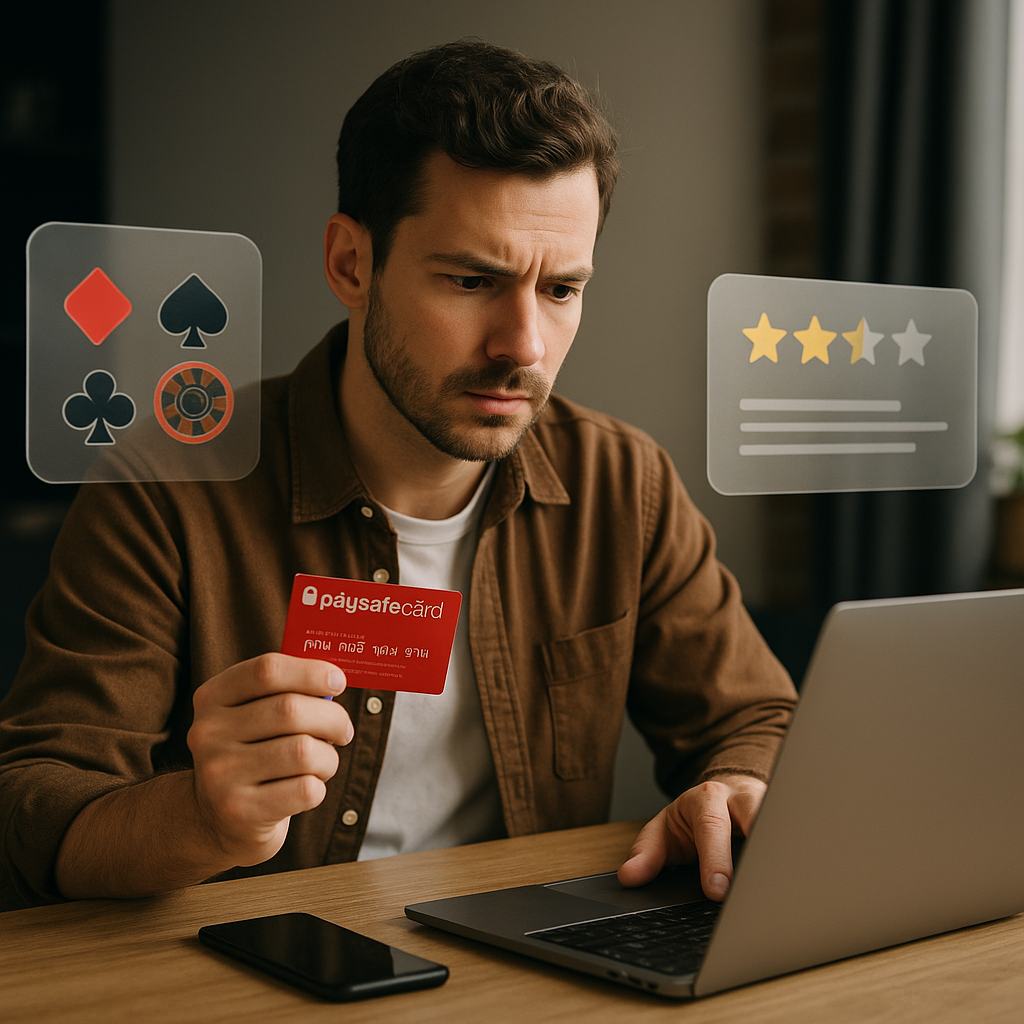
Why Payment Choices Matter in Online Environments
Most digital services work perfectly well, but they all ask for different things from the user. Some require full banking details. Others store cards by default. A few work on a prepaid basis. These small differences shape how comfortable people feel when making payments online, whether for learning tools, subscriptions, or, in some cases, casino play.
That's why many players take a moment to compare payment options before depositing. Not because they expect trouble, but because they prefer methods that fit the way they manage money. Paysafecard stands out here for a few practical reasons:
- It doesn't require sharing bank or card details.
- Spending is capped — you can only use the value you've purchased.
- Payments use a simple 16-digit PIN instead of account access.
- There's no link to larger funds, which helps with budgeting.
However, like any service, Paysafecard has a few limitations that, while not major issues for most users, can be dealbreakers for some players. Here are the main points to keep in mind:
- It's usually a deposit-only method, so withdrawals require a different option.
- Larger deposits may require multiple vouchers.
- Availability can depend on local retailers or online resellers.
Collective Insight in Action: Using Reviews to Assess Paysafecard Casinos
Even with a straightforward payment method, most players still want a sense of what the overall experience is like before they deposit. This is where independent reviews come in. Instead of relying on a casino's own promises, people often turn to platforms like Trustpilot to see how others have fared.
When players read reviews, they usually look past the star count and focus on recurring themes:
- Do withdrawals arrive when they're supposed to?
- Does support respond when something goes wrong?
- Is the mobile site or app stable enough for everyday use?
- Are bonuses described accurately or full of fine print surprises?
Paysafecard itself rarely causes issues, but the casino handling the payment can. That's why players check what others say about the reliability, processing times, and overall transparency of the site they compare on pages like https://au.trustpilot.com/review/betpokies.com.
In teaching and learning contexts, something Engaged Learning frequently explores, we often talk about "secondary insight" — the idea that understanding improves when we learn from someone else's experience. Reviews serve the same purpose here. They help players make informed choices without relying on guesswork or trial and error.
Considering Alternatives: When Paysafecard Isn't the Right Fit
Even if Paysafecard suits many players, some situations call for a different approach. This usually isn't about trust or safety — it's about practicality. A prepaid system works well for controlled spending, but it also comes with fixed limits and the need for separate withdrawal methods. When players want more flexibility, they tend to look at other options. Common alternatives include:
- PayID
- Neosurf
- E-wallets (Skrill, Neteller, PayPal)
- Bank Transfer
- Crypto